

Moving from desktop screens to handheld devices reshaped digital gambling more than any other tech shift in the past ten years https://oscarspin.win/. Mobile casino games don’t represent a stripped-down afterthought or a basic companion to the desktop product. They have become now the main way most active players around the world play. Studios develop titles specifically for vertical touchscreens, positioning spin buttons and bet selectors right where your thumbs naturally sit. That hardware‑first approach ensures a game often feels more intuitive on a phone than on a computer. Modern devices carry enough processing power to deliver rendering speeds and graphics that rival dedicated consoles, so live dealer streams, complex slot animations, and physics‑based table games run without noticeable lag. Oscar Spin Casino identified this shift and created a library where mobile compatibility is not an afterthought but a requirement baked in from the first line of code.
Reel Systems Redesigned for Vertical Play
The transition from widescreen displays to portrait‑oriented phones forced a full rethink of slot mechanics and reel arrangements. Game creators moved away from the standard 5×3 grid as the default and started experimenting with 6×4 setups, 7×7 cluster wins, and continuous scrolling reels that utilize the vertical space of a phone screen to produce a feeling of ascent. The spin button relocated to the bottom right corner, easy to tap with a thumb without altering your grip, while bet controls are located on the far side to stop accidental clicks. Bonus buy functions, where you buy direct admission into free spin rounds, have thrived on mobile because the streamlined interface can display the cost‑benefit comparison visibly without overcrowding the screen. Sound design changed as well. Audio cues are now condensed into a frequency spectrum that is audible through tiny stereo speakers, so the celebratory chime of a jackpot still triggers an emotional impact even without headphones.
Hardware Progress and Touchscreen Operation
The touch-sensitive display changed how gamers engage with random number generators. A mouse click is detached and purposeful; a finger tap on glass introduces a sensory connection that developers leverage with haptic feedback and micro‑animations. Modern mobile casino games detect swipe gestures to spin reels, pinch‑to‑zoom for card details, and long-press actions to open paytables. The gyroscope sensors in contemporary phones allow fine parallax effects in the background art, offering a flat screen a sense of depth. Battery optimization has become a key battleground. Leading studios reduce asset files without sacrificing visual sharpness so a session won’t drain a device in an hour. Heat management algorithms limit frame rates slightly during non‑interactive sequences, conserving performance for the moments you tap to deal or spin.
The Role of Processors in Game Fluidity
The chipset architecture inside premium and mid‑tier phones handles the intensive work that keeps mobile casino titles performing flawlessly. These processors juggle parallel tasks: delivering the live video feed of a blackjack dealer, rendering the user interface overlay, and maintaining an encrypted connection to the gaming server, all at once. Dedicated neural processing units in newer chipsets aid blur backgrounds in real time for live casino streams, mimicking the shallow depth of field you see in professional broadcast cameras. That hardware acceleration guarantees when you place a bet on a roulette wheel at Oscar Spin Casino, the ball physics are calculated locally. You prevent the micro‑delay that can appear when waiting for server‑side validation. The result is a tactile experience where visual feedback lines up perfectly with what your brain expects from physical momentum. That alignment is important for how fair and transparent a digitally simulated game of chance seems.
Display Technologies and Visual Clarity
OLED panels have become the gold standard for mobile gambling. They offer true blacks that make neon-accented slot symbols look like they’re floating above the glass. HDR support on recent devices lets flames in a slot bonus round glow with realistic luminance, while dark-mode interfaces cut eye strain during long sessions. Refresh rates that climb to 120 hertz make reels spin and winning symbols cascade with a smoothness that kills the ghosting artifacts that once made fast-paced games feel blurry. Adaptive refresh technology subtly reduces the frame rate during static screens, like an idle poker table, preserving battery life without you noticing the switch. This mix of visual punch and power efficiency means a mobile casino game can look better than a desktop version on a standard office monitor.
FAQ
Will mobile casino games consume battery rapidly?
Contemporary mobile casino games are engineered with power efficiency front and center. They employ adaptive frame rates and compressed assets to keep energy draw low. A typical slot session consumes battery at a rate akin to streaming standard‑definition video. Live dealer streams with high brightness will draw more power, but most platforms provide a low‑power mode that darkens the interface and scales back background animations. Staying on a strong Wi‑Fi connection as opposed to cellular data also lowers battery drain by a good margin, since the phone’s radio doesn’t need to work as hard to hold a stable connection.
Will a native app superior than playing through a mobile browser?
The performance gap between native apps and browser‑based instant play has narrowed so much that most players can’t tell the difference. Native apps provide push notifications and biometric login integration. Browser play does away with storage demands and update downloads. Both routes employ the same hardware acceleration for graphics and keep identical security protocols for financial transactions. The choice boils down to how you like to organize your home screen and control notifications, not any meaningful difference in game quality or loading speed.
Can mobile casino games work on older smartphones?
Casino Table Games and Motion‑Based Control
Virtual blackjack and baccarat tables on mobile utilize gesture libraries that mimic physical actions you’d perform on a casino floor. Sliding a stack of chips to a betting circle seems more intentional than clicking a button, and the slight resistance given through haptic vibration verifies the placement without you requiring to look. In roulette, you can rotate the wheel with a circular thumb motion, though a simple tap on a spin button is still present for those who favor speed over immersion. Card peel animations in baccarat adjust to the speed of your swipe, letting you to uncover the banker’s third card slowly for dramatic effect. Multi‑hand video poker has been enhanced so that five or ten hands can be placed on a six‑inch screen without the card values becoming illegible. It features a cascading layout where only the bottom hand is active while the others work as visual references.
Security Framework for Mobile Platforms
The security framework of a mobile casino extends beyond encrypting financial transactions. It wraps around the integrity of the random number generator and the legitimacy of the game client itself. Code signing and certificate pinning block man‑in‑the‑middle attacks where a threat actor could capture and manipulate game logic in transit. Biometric authentication through fingerprint sensors and facial recognition provides a two‑factor layer that’s equally more secure and more convenient than typing a password on a glass keyboard. The isolated storage containers inside modern mobile operating systems keep session tokens and personal data locked away from other apps, even those with broad permissions. Remote attestation techniques enable the server to check that the game client running on your device hasn’t been tampered with or jailbroken, upholding a chain of trust from the moment the app opens to the moment a withdrawal gets processed.
A large share of casino software is constructed to operate on devices up to five years old, even though the experience on older hardware may come with longer loading times and reduced visual effects. Game clients identify the device’s capabilities automatically and reduce graphical complexity, switching off particle effects and reducing animation frame rates on less powerful processors. The minimum requirement is typically a stable internet connection and an operating system version that keeps gets security updates. Devices that can no longer update their browser or operating system shouldn’t be used for real‑money play owing to unresolved security holes.
What takes place if a call interrupts a live dealer game?
When an incoming call or notification disrupts a live dealer session, the game state stays locked server‑side just as it was at the moment of interruption. Any bets you placed before the call are saved and remain valid, whether you’re watching the stream or not. When you come back to the game, the interface refreshes to show the current table status, and a brief history panel presents any outcomes that happened while you were away. If the interruption leads to a disconnection that lasts longer than the betting timer for the next round, no automatic wager is placed. You just sit out that round.
Operating System Optimization and App Delivery
The iOS/Android duopoly has forced casino software providers to perfect two separate development environments, though the performance gap between them has narrowed a lot. Android’s fragmentation across thousands of device models was once a big headache, but modern web‑based wrappers and progressive web applications have effectively addressed compatibility issues without giving up access to device‑level hardware acceleration. On iOS, the strict Metal graphics framework offers a unified rendering path that guarantees consistent frame pacing across every device running the same operating system version. Instant‑play platforms accessed through mobile browsers remove the friction of downloading a dedicated app. You can open a full roulette table or slot lobby in seconds. The security sandboxing of mobile browsers has evolved to the point where cryptographic random number generation and financial transactions take place with the same integrity you’d get from a native executable.
Network Resilience and Offline Functionality
Mobile gambling apps run in a world where tunnel dead zones and lift journeys are a reality, so connectivity stability sits at the core of the design. Advanced state management makes sure that if you press spin and the signal drops before the server confirms the result, the game halts in a safe state. It then resumes exactly where it left off the moment connectivity returns. No bet ever vanishes to a network hiccup because the transaction is logged server‑side the instant you press. The visual result is just a reflection of an outcome that’s already been decided. Some platforms switch on a graceful degradation mode when the connection weakens, disabling non‑critical animations and focusing on the transmission of essential game logic over decorative particle effects. The move to 5G networks has reduced baseline latency down to single‑digit milliseconds in urban areas, making the experience practically identical to a fiber‑optic home connection.
UI Psychology and Game Session Flow
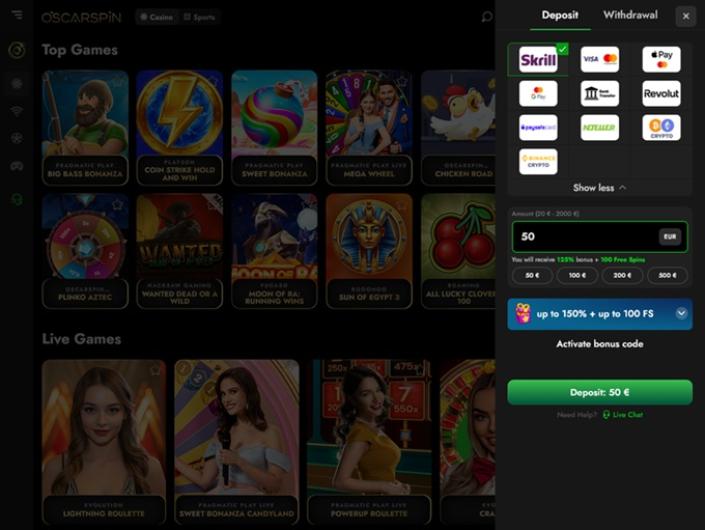
The structure of a mobile casino lobby is a lesson in cutting cognitive load. It must showcase hundreds of game options without paralyzing you with decision paralysis. Thumb-optimized navigation places the most critical functions—search, deposit, and game categories—inside a ergonomic comfort zone at the bottom of the screen. Game tiles load incrementally. Basic placeholders pop up instantly while detailed artwork streams in the background, creating a impression of speed even on modest connections. Color psychology guides your eye toward promotional badges and jackpot counters through warm accents that contrast against the cool, dark background tones that characterize casino interfaces. The cashier flow has been streamlined to three steps that never require you to leave the game you’re playing. The deposit panel slides up as a card sheet and closes with a single downward swipe the moment the transaction finishes.

Safe Gambling Tools on Mobile Devices
The intimate nature of a smartphone allows for responsible gaming measures that a shared family computer could never equal. Deposit limits, loss thresholds, and session timers get applied at the operating system level, tied to the device’s clock and notification framework. Reality check pop‑ups break gameplay with a full‑screen overlay that demands a deliberate tap to dismiss, shattering the automatic trance that can settle in during long slot sessions. Self‑exclusion mechanisms extend instantly across every device connected to an account, and the biometric lock stops a https://www.bbc.co.uk/news/business-49356255 self‑excluded person from simply taking a friend’s phone to spin up a new profile. A time‑out cooling period can be initiated with a single tap from inside the game interface. It pauses access right away and, if you’ve opted in, sends a notification to a designated support contact.
The development of mobile casino games follows a bigger merging of entertainment, technology, and behavioral design. What started as a convenience feature has grown into the default way players experience slots, table games, and live dealer experiences. The limits of a handheld screen didn’t choke creativity; they pushed developers to simplify interfaces down to their purest functional core. Network resilience, biometric security, and gesture‑based controls have united to create an ecosystem where the mobile experience doesn’t just rival desktop play. It surpasses it on accessibility and immersion. As hardware keeps improving and connectivity extends everywhere, the line between mobile and traditional online gaming will disappear completely. At that point, the only thing that will be important is the quality of the curated library you’re keeping in your hand.
Live Dealer Streaming on Portable Networks
Live dealer gaming is the most technically demanding segment of mobile gaming. It requires a two-way flow of high-definition video and instant betting information over wireless networks that can fluctuate. Dynamic bitrate streaming technology keeps an eye on signal strength and lowers video resolution effortlessly during a temporary signal loss, stopping a total stream freeze. The interface stacks betting chips on top of the video feed so you can put bets while viewing the dealer shuffle, with no interruption or buffering. Delay, the delay between a dealer’s action and what you see on screen, has fallen to under a second on fine-tuned networks, making the exchange feel like a conversation. Specialized camera staff in pro-grade studios frame shots for portrait viewing, cropping out the empty side space that would overwhelm a landscape feed and concentrating closely on the wheel or the shoe.